Most people know what climate change is, however most people don’t take it seriously. I mean for one, we can’t see it, and two, it won’t affect us, right? The current warming trend of our planet and the overall increasing intensity of natural disasters say otherwise.
Earth’s climate changing isn’t odd. It’s a normal natural occurrence that is evident on Earth. What’s not normal is the rapid increase and magnitude of these changes which causes a great global concern. We are fortunate enough to have data from Earth-orbiting satellites and other advances that have allowed scientists to understand the rise in trend and the signs of climate change.
The most known and evident change is our warming surface temperature. This global warming is caused by greenhouse gases such as carbon dioxide, methane, and nitrous oxide and other synthetic chemicals when they are collected in our atmosphere. The original function of greenhouse gases is to trap heat radiated from the Earth’s surface into the lower atmosphere. However, due to human-induced actions, such as the burning of fossil fuels to make electricity, carbon dioxide emissions have significantly increased past its normal amount.
The warming of our oceans can also be considered as a part of global warming. About 71 percent of Earth’s surface is covered in water, and 96.5 percent of those bodies of water are oceans. So, the excess heat, caused by the greenhouse effect, is absorbed mostly by the oceans, leading to rising ocean temperatures. Warming of this water can affect marine habitats and ecosystems, cause coral bleaching, threaten food security for humans, induce extreme weather events, and melt Antarctic ice shelves.
The polar ice sheets are shrinking which leads to a rising sea level. Rising seas increase the risk of catastrophic flooding, widespread erosion, contamination of crops, and displacement of humans from their homes. Glaciers, which are also melting, play an integral role in the ecology of the region they exist in. They act as frozen reservoirs which add cold water to streams, which various aquatic species have become accustomed to as a part of their marine routine. Glacial meltwater provides drinking water as well as a source for agricultural practices. As glaciers disappear, these habitats will be negatively harmed and may even disappear all together.
The warmer climate can also warm up the poles, making the temperature difference from the equator to the poles less varying. As temperatures continue to rise, more and more water vapor could evaporate into the atmosphere, and water vapor is the fuel for storms. The combined result of increased temperatures over land, decreased equator-versus-pole temperature differences, and increased humidity could be increasingly intense cycles of droughts and floods as more of a region’s precipitation falls in a single large storm rather than a series of small ones. More heat and water in the atmosphere and warmer sea surface temperatures could provide more fuel to increase the wind speeds of tropical storms.
Due to the abundance of human-made carbon dioxide emissions in the air, the oceans have become more acidic. Water and carbon dioxide combine to form carbonic acid (H2CO3), a weak acid that breaks into hydrogen ions (H+) and bicarbonate ions (HCO3-). The pH scale is an inverse of hydrogen ion concentration, so more hydrogen ions translates to higher acidity and a lower pH. As ocean acidification increases, available carbonate ions (CO32-) bond with excess hydrogen, resulting in fewer carbonate ions available for calcifying organisms to build and maintain their shells, skeletons, and other calcium carbonate structures (which can lead to shell dissolution).
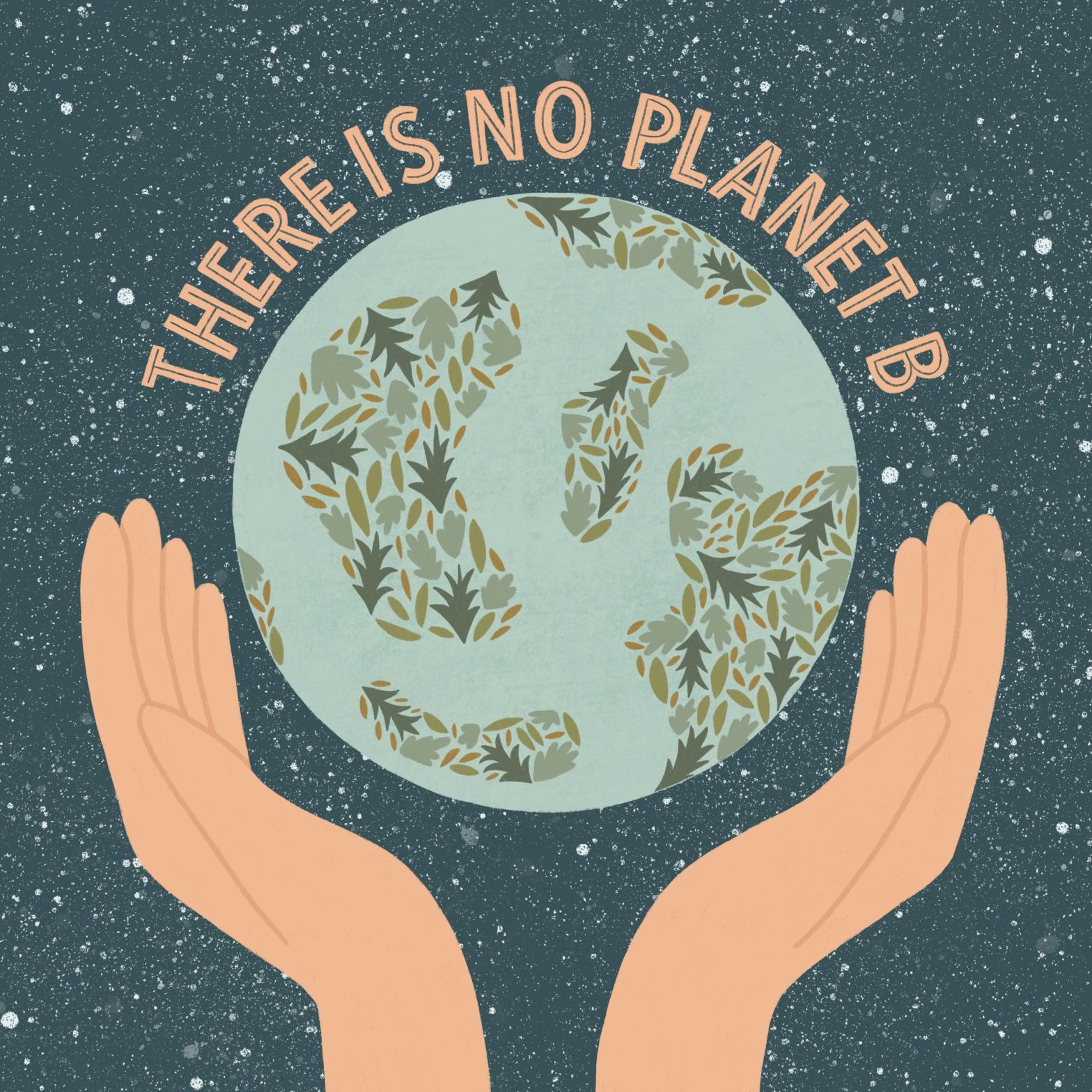
Anything that we humans do today to mitigate the effects of climate change will greatly impact our future for the better. Climate change affects so much more than the major effects discussed above, including species’ habitats and ecosystems, food webs and chains, the weather cycle, staple crops, coral reefs, clean and drinkable water, rainforests, clean air, us now, and our future generations. I’m talking to Gen Z when I say that this is our future Earth on the line. We must take action as a whole to stop climate change in its tracks and do whatever possible to halt it as individuals.
 ZforGreen